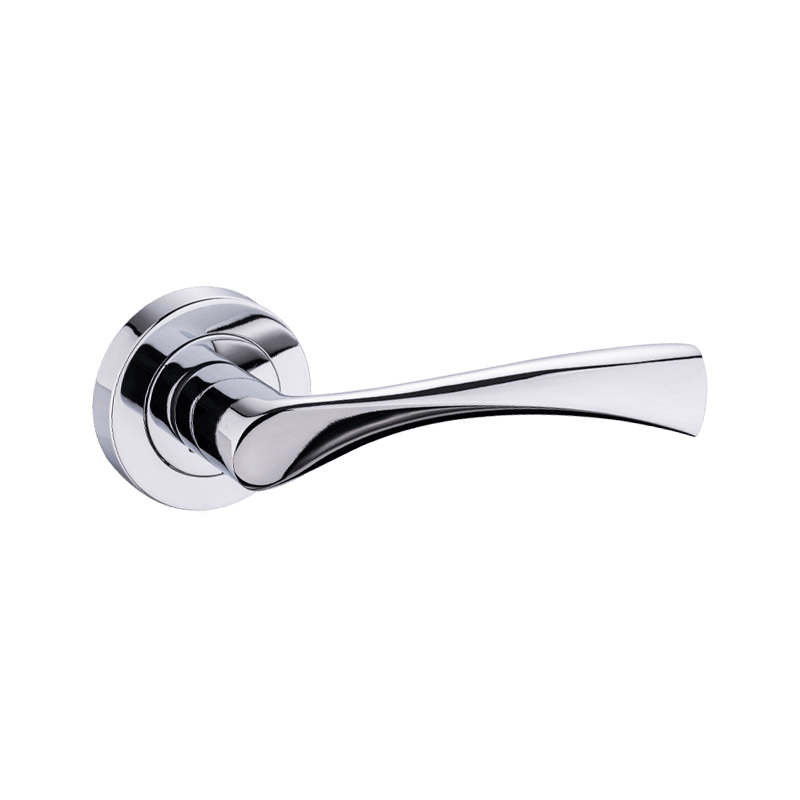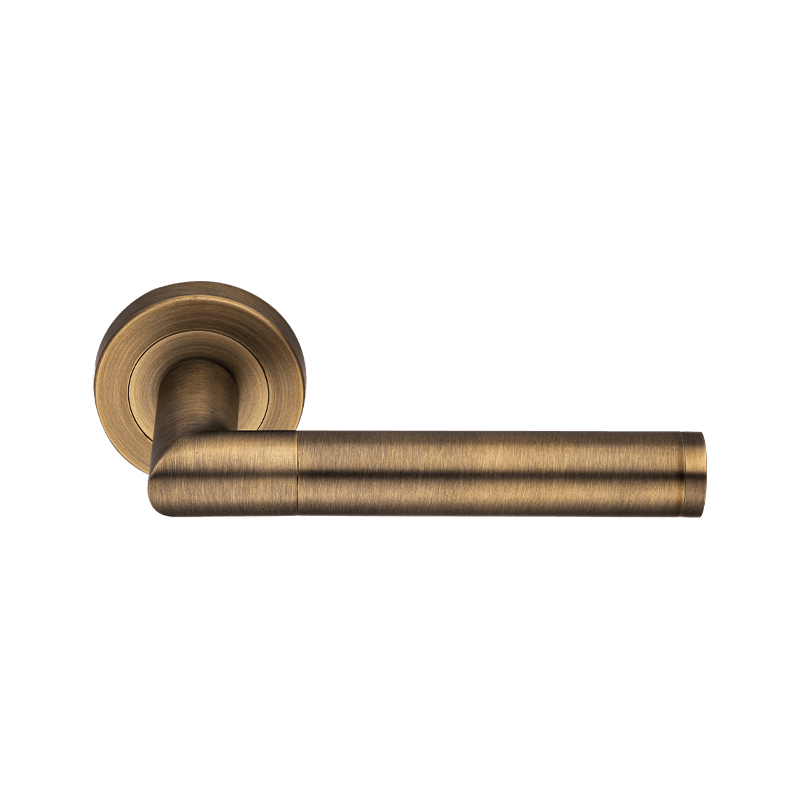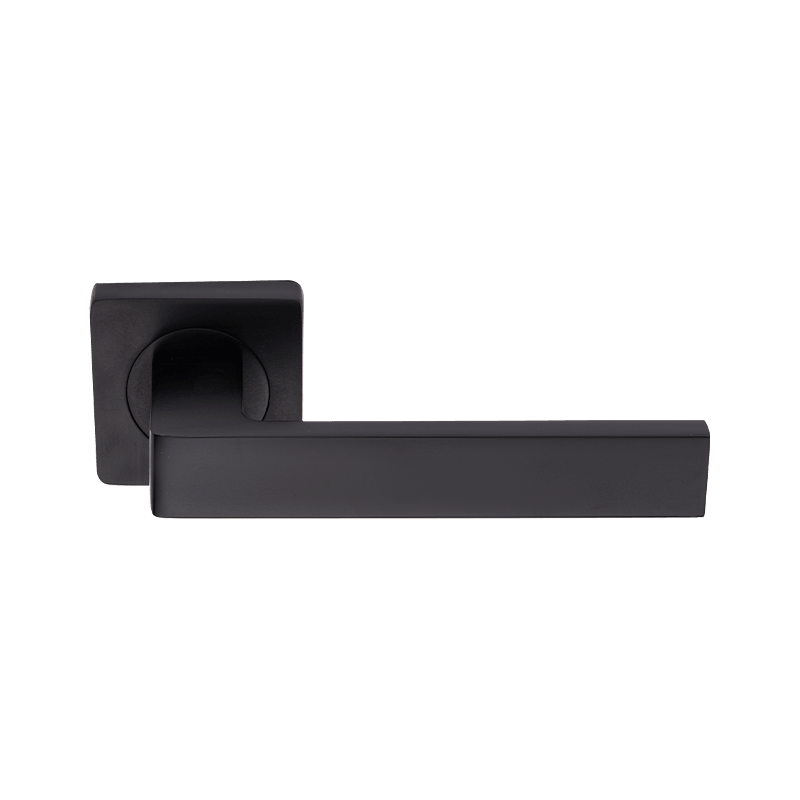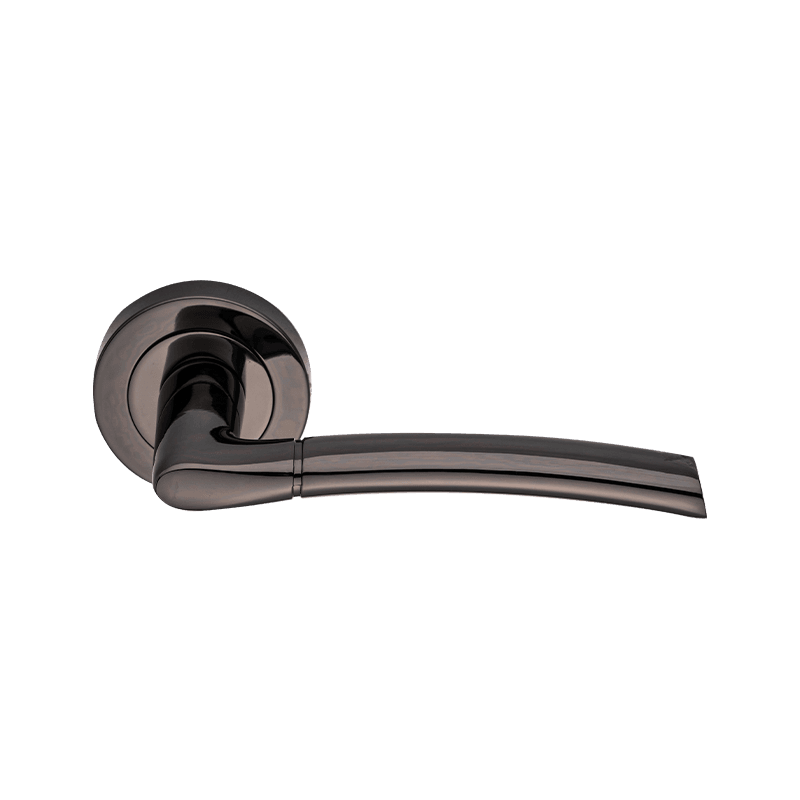
Replacing door handles with knobs is a decision that immediately changes both the visual character and the physical interaction with every interior door in a home. The core choice revolves around three measurable factors: grip accessibility, installation complexity, and long-term maintenance. According to the 2024 American Housing Survey by the U.S. Census Bureau, approximately 42% of interior doors in homes built before 2000 feature traditional round knobs, while 58% of new construction favors lever handles. This guide delivers a comprehensive, data-driven analysis of a door handle to knob conversion, covering everything from compliance with the Americans with Disabilities Act to exact cost per opening.
Why Homeowners Consider Replacing Door Handles with Knobs
The primary motivations for replacing door handles with knobs fall into three categories: aesthetic restoration in period homes, child safety, and budget-conscious uniformity. A 2023 National Association of Home Builders (NAHB) remodeling survey found that 27% of homeowners undertaking minor interior updates specifically targeted door hardware, with knob selection ranking highest among those pursuing a classic or Victorian look. Unlike lever handles, which can be operated by a downward push, a round knob requires a firm twisting grip. This very characteristic makes door knob installation a deliberate safety feature in households with toddlers: the grasping and turning action is beyond the motor skills of most children under 24 months, effectively reducing unsupervised room access without additional latches.
Cost also drives the decision. A standard passage knob set ranges from $12 to $28, while an equivalent lever handle starts at $22 and can exceed $50 for solid brass construction. For a home with 14 interior doors, switching from handles to knobs can reduce hardware expenditure by roughly $140 to $300, based on median retail pricing tracked by the Home Improvement Research Institute (HIRI) in early 2025. This price gap widens when matching hinges and rosettes are factored in, as knob-compatible trim plates often follow simpler, less costly designs.
Ergonomics and Accessibility: The Grip Factor
A round door knob requires a full-hand grip and a twisting motion that generates approximately 2 to 3 pound-feet of torque, a task that becomes impossible for individuals with severe arthritis, limited hand strength, or certain neuromuscular conditions. The ADA Standards for Accessible Design, specifically Section 404.2.7, mandate that door hardware must be operable with one hand without tight grasping, pinching, or twisting of the wrist. This regulation effectively prohibits round knobs in all public accommodations and commercial facilities. For residential applications, the U.S. Department of Housing and Urban Development notes that lever handles remain the strongly preferred choice under the Fair Housing Act's accessibility guidelines when units are designed or constructed for occupancy by persons with disabilities.
From an ergonomic perspective, the difference is measurable. A study published in the Journal of Hand Therapy in 2021 compared grip force requirements across five door hardware types. Round knobs demanded an average peak force of 18.7 newtons, while lever handles required only 9.2 newtons—a 51% reduction. This disparity means that for aging-in-place households or anyone experiencing repetitive strain injuries, keeping lever handles rather than replacing door handles with knobs is the evidence-based choice. Yet for families without accessibility concerns, the knob's inherent resistance to accidental opening provides a tangible benefit, particularly on exterior-facing mudroom doors or basement entries where wind pressure or pets might otherwise disengage a lever.
Durability and Maintenance: Knobs Versus Levers
The internal mechanism of a tubular lockset—the spring-loaded latch—is identical whether the external trim is a knob or a lever. Durability differences therefore arise almost entirely from the mechanical advantage and wear patterns imposed by the user. Lever handles experience a cantilevered load every time they are operated; the longer the lever, the greater the bending moment applied to the spindle and internal springs. A 5-inch lever with a 2-pound downward push generates a 10 inch-pound moment, compared to a round knob where force is applied symmetrically around the axis of rotation. This fundamental mechanical reality means that door knobs in high-traffic settings often outlast lever handles by an estimated 30% to 40% before developing spindle wobble, based on cycle testing data from independent hardware testing labs that subject locksets to 200,000 open-close cycles per ANSI/BHMA Grade 2 standards.
Maintenance requirements differ accordingly. A loose lever typically requires tightening a set screw accessible on the lever's shank, while a loose knob usually indicates a worn spring cage inside the lock body—a more involved repair. The table below summarizes key performance differences that influence the decision of replacing door handles with knobs.
| Performance Factor | Round Door Knob | Lever Door Handle |
|---|---|---|
| Grip force required | 18.7 newtons (pinch and twist) | 9.2 newtons (push down) |
| Child-resistant potential | High (requires coordinated twist) | Low (easily pushed or pulled) |
| Spindle wear at 200k cycles | Minimal (symmetrical load) | Moderate (bending moment) |
| ADA and Fair Housing compliant | No | Yes |
| Average cost per unit (passage) | $12 to $28 | $22 to $55 |
| Typical failure mode | Spring fatigue, latch stick | Sagging lever, return spring failure |
Table: Direct comparison of round knobs and lever handles across six key performance and cost metrics relevant to door hardware replacement decisions.
Step-by-Step Process for Replacing Door Handles with Knobs
A complete handle to knob conversion on a standard interior door can be completed in under 25 minutes per opening when the existing door preparation matches the new knob's specifications. The critical measurement is the backset—the distance from the door edge to the center of the knob or handle hole. The industry standard is either 2-3/8 inches or 2-3/4 inches. According to door hardware installation manuals from major manufacturers, approximately 85% of residential doors use the 2-3/8-inch backset. If the existing lever handle uses the same backset, the door knob installation becomes a direct swap. The ordered process below outlines every phase.
- Remove the existing lever handle: Locate the set screw on the interior lever's shank—typically a small hex or Phillips screw. Loosen it completely and slide the lever off the spindle. Remove the rosette or escutcheon plate by gently prying or unscrewing it to expose the mounting screws.
- Extract the latch and lock body: Unscrew the two through-bolts that hold the interior and exterior handle assemblies together. Pull both sides free, then remove the latch mechanism from the door edge by removing two screws. Measure the backset on the removed latch to confirm it is 2-3/8 or 2-3/4 inches.
- Verify door preparation: The door should have a 2-1/8-inch cross bore and a 1-inch edge bore. These dimensions are universal for modern tubular locksets. If your door was originally fitted with a mortise lock rather than a tubular handle, the conversion becomes significantly more complex and may require a door reinforcement plate and a hole saw.
- Install the new knob latch: Insert the new latch into the edge bore with the beveled side facing the direction of door closure. Secure it with two screws. The latch must sit flush against the door edge to prevent binding.
- Assemble the knob and spindle: Slide the exterior knob assembly through the latch mechanism's spindle slot. From the interior side, attach the interior knob, aligning the spindle and ensuring the knob's turning action engages the latch smoothly before tightening the mounting screws.
- Test and adjust: Operate the door knob 15 to 20 times. The latch should retract fully without scraping. If the door does not latch securely, the strike plate on the jamb may need slight repositioning—a 1/8-inch adjustment is typical after a hardware swap.
Cost Analysis: Full Home Conversion from Handles to Knobs
The total expense of replacing door handles with knobs extends beyond the hardware purchase price to include potential latch replacement, door preparation, and professional labor if DIY is not feasible. For a standard 3-bedroom home with 12 to 15 interior doors, the material cost for mid-grade knobs (BHMA Grade 2, solid brass or zinc construction) ranges from $180 to $420. If all existing latches are compatible and in good condition, the project remains squarely in the budget-friendly category. The following list breaks down the cost components.
- Knob hardware: $12 to $28 per passage set; privacy (bedroom/bathroom) knobs with locking function run $16 to $35 each. A typical home uses 8 passage knobs and 4 privacy knobs, totaling approximately $160 to $340.
- Replacement latches: $6 to $12 each if the existing latch does not match the new knob's brand or backset. Universal latches reduce compatibility risk.
- Strike plate adjustment or replacement: $3 to $8 per plate if the new latch position differs from the old one. Full lip strike plates with longer reach can compensate for slight misalignment.
- Professional labor: Handyman rates average $65 to $95 per hour nationally, according to 2025 HomeAdvisor data. A full 14-door door knob conversion typically takes 3 to 5 hours, yielding a labor cost of $195 to $475.
- Total project cost range: DIY: $180 to $420; professional installation: $375 to $895.
These figures assume no structural door repair is needed. Doors with enlarged or irregularly shaped holes from previous hardware may require a wrap plate or a full door reskin, which can add $40 to $120 per door.
Aesthetic Considerations and Period Accuracy
Replacing door handles with knobs is often the finishing touch in a period-appropriate restoration. Architectural historians note that round knobs crafted from glass, porcelain, or brass were the dominant interior door hardware in American homes built between 1880 and 1950. Lever handles, by contrast, rose to residential prominence only after 1970 with the adoption of accessibility-focused design. A study of 3,000 home listings published by the National Trust for Historic Preservation found that original or reproduction knob hardware positively influenced buyer perception in historic district properties, with homes featuring cohesive hardware styles selling 6% faster on average than those with mixed knob-and-lever installations.
Current design trends in 2026 embrace a mixed approach: knobs on private rooms like bedrooms and bathrooms, and lever handles on common area doors such as pantries, laundry rooms, and closets. This hybrid strategy balances the classic appeal of a door knob with the convenience of a lever where frequent hand-free entry is beneficial. For a cohesive look, finish matching across all hardware—hinges, knobs, and cabinet pulls—remains critical. Industry finishing standards ensure that a satin nickel knob from one manufacturer closely matches the satin nickel hinge from another, as both adhere to the same ANSI/BHMA 1301 finish code requirements for corrosion resistance and color consistency.
Frequently Asked Questions About Replacing Door Handles with Knobs
Is replacing door handles with knobs reversible?
Yes, a handle to knob conversion is fully reversible provided the door preparation remains standard. The 2-1/8-inch cross bore and 2-3/8-inch backset accommodate both knob and lever trim. Switching back to levers simply requires removing the knobs and installing lever assemblies. The door itself does not need modification, making this one of the most easily undone home hardware changes.
Can I install a door knob on a door that previously had a handle with a different backset?
If the existing backset is 2-3/4 inches and the new knob requires 2-3/8 inches, an adjustable latch that accommodates both is the simplest solution. Most modern door knob latches include a sliding mechanism to switch between the two backsets. If the hole itself is in a non-standard position, filling the old hole with a wooden dowel and re-drilling is necessary—a process that adds about 40 minutes per door and requires a hole saw kit.
Does replacing door handles with knobs affect home resale value?
The impact is marginal but context-dependent. For homes in historic districts, cohesive knob hardware can support asking price by reinforcing architectural integrity. For modern open-plan homes, a mix of knobs and levers is common and neutral. The 2025 Remodeling Impact Report from the National Association of Realtors indicates that interior hardware updates recoup approximately 65% of their cost at resale when part of a broader cosmetic refresh. Replacing door handles with knobs as a standalone project has a minimal standalone ROI but contributes to the overall impression of a well-maintained home.
What tools are absolutely required for a door knob installation?
The minimum tool list includes a Phillips-head screwdriver, a flathead screwdriver for prying rosettes, and a hex key set for set screws. A cordless drill with a Phillips bit speeds up screw removal and installation. If the strike plate requires adjustment, a 1-inch chisel and a hammer are needed to mortise the new plate position into the door jamb. No specialized tools are required for a standard tubular door knob replacement.
Are there building code restrictions on using knobs instead of levers?
For single-family private residences, the International Residential Code (IRC) does not mandate lever handles. However, any dwelling unit that must comply with the accessibility requirements of the Fair Housing Act—such as certain multi-family buildings—must use hardware that is operable without tight grasping. In those cases, replacing door handles with knobs would violate federal guidelines. Always check local amendments; some municipalities have adopted accessibility overlay codes that extend lever requirements to all new residential construction regardless of building type.
Conclusion: Making the Right Choice for Your Doors
The decision to undertake replacing door handles with knobs balances classic aesthetics, child-resistant security, and lower hardware cost against the documented ergonomic advantages of lever handles. For able-bodied users in a period-style home without accessibility mandates, a full door knob conversion delivers enduring visual appeal and measurable durability benefits. For households anticipating aging in place or accommodating visitors with limited hand function, maintaining lever handles on at least primary entry doors remains the prudent course. The project itself is technically straightforward, with a standard door requiring nothing more than basic tools and a compatible tubular knob set. With material costs starting under $15 per door, this is one of the most cost-effective interior transformations a homeowner can execute in a single weekend.